

Services
Expert Cardiology Care for Every Heartbeat
All Essential Cardiac Services

General Cardiology
Comprehensive assessment, diagnosis, and long-term management of a wide range of cardiovascular conditions. Our experienced cardiologists provide personalised treatment plans, preventative heart health advice, risk factor management, and ongoing care to help patients maintain healthier hearts and improve their overall quality of life.
Whether you’re experiencing chest pain, palpitations, high blood pressure, or have concerns about your cardiovascular health, our team is committed to delivering timely assessments and evidence-based care. We focus on early detection, prevention, and personalised management to support better long-term heart health.
Cardiac Investigations
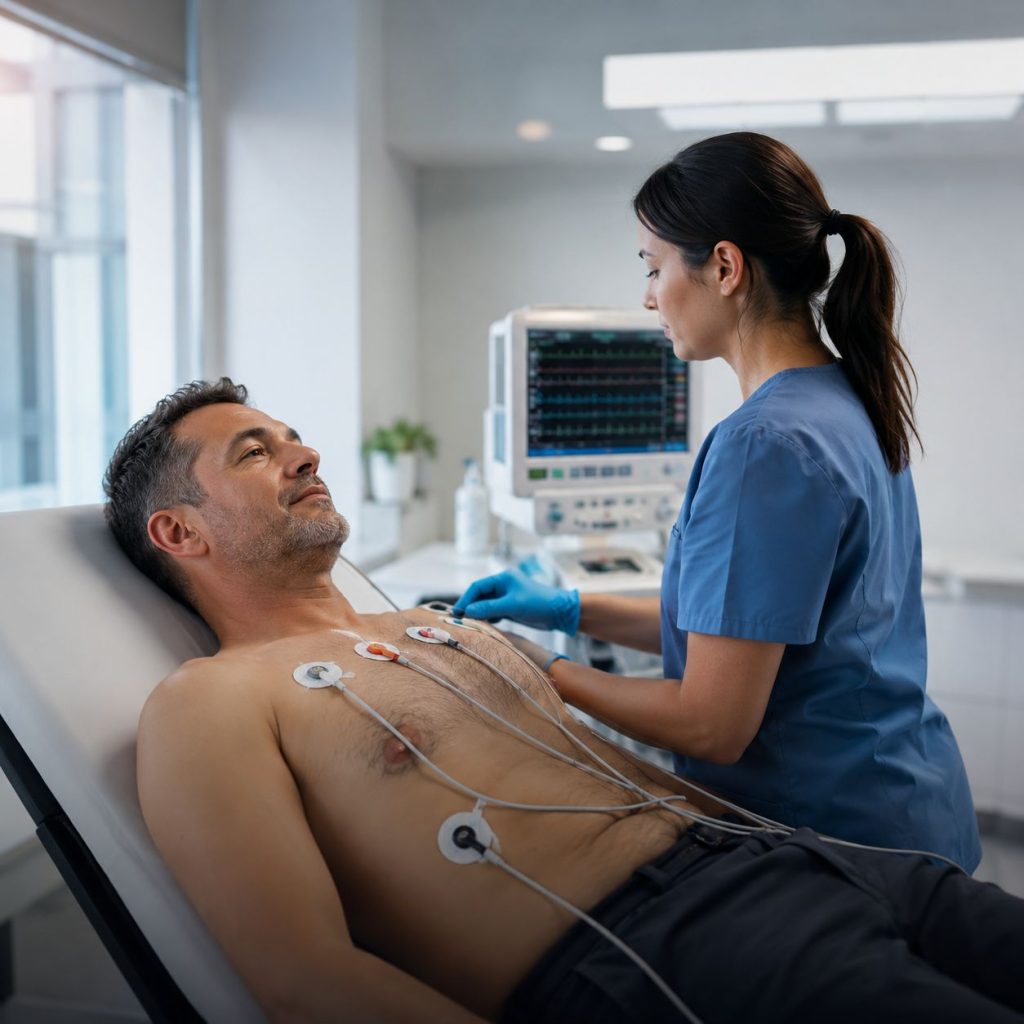
Access advanced on-site diagnostic services including echocardiography, exercise stress testing, Holter monitoring, ambulatory blood pressure monitoring, and ECGs. Our modern technology enables accurate diagnosis, timely clinical decisions, and personalised treatment planning for a wide range of cardiac conditions.
Every investigation is performed by experienced clinicians using advanced equipment to ensure reliable results and a comfortable patient experience. By providing comprehensive diagnostic services in one location, we help reduce delays and ensure your treatment journey begins with confidence and clarity.

Coronary Artery Disease Care
Specialist diagnosis and management of coronary artery disease using evidence-based treatment and advanced cardiac imaging. We provide comprehensive assessments, CT coronary angiography referrals, coronary angiograms, risk reduction strategies, and ongoing care designed to improve heart function and reduce future cardiovascular events.
Our approach combines advanced diagnostics with personalised treatment plans that focus on symptom relief, lifestyle modification, medication management, and ongoing monitoring. We work closely with patients to reduce cardiovascular risk and support healthier outcomes for the future.
Cardiac Electrophysiology
Expert diagnosis and treatment of heart rhythm disorders including atrial fibrillation, supraventricular tachycardia, ventricular arrhythmias, and other electrical abnormalities of the heart. Our specialists provide advanced electrophysiology studies, catheter ablation procedures, and long-term rhythm management tailored to each patient.
By identifying the underlying cause of irregular heart rhythms, we can recommend the most appropriate treatment to restore normal heart function and improve quality of life. Our team provides compassionate care and ongoing support to help patients manage complex rhythm conditions with confidence.

Cardiac Device Services
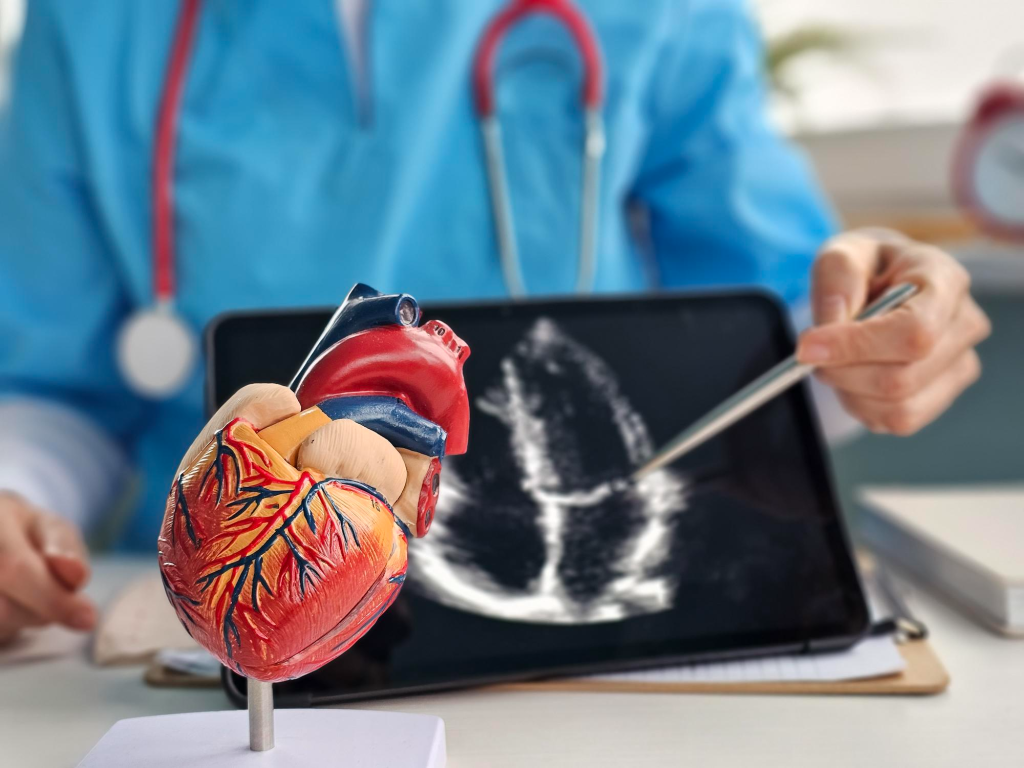
Comprehensive care for patients with pacemakers, implantable cardioverter defibrillators (ICDs), loop recorders, and cardiac resynchronisation therapy devices. We provide implantation, routine monitoring, device optimisation, remote follow-up, and ongoing management to ensure reliable performance and long-term cardiac health.
Our specialists carefully monitor each device to ensure it continues to perform effectively while adapting treatment as your health needs change. Through regular follow-up appointments and advanced device programming, we help patients enjoy greater peace of mind and improved cardiac function over the long term.

Take the First Step towards Better Heart Health
Whether you need a routine heart assessment, specialist advice, or ongoing cardiac care, our experienced team is here to provide personalised support every step of the way.
Frequently Asked Questions
This information is general only and not intended for a specific medical situation, you will need to discuss your medical condition with your treating doctor.
An electrophysiology study (EPS) is a cardiac procedure where a number of catheters are inserted into the heart typically through the femoral vein in the groin.
This allows the electrophysiologist to examine the electrical system of the heart and establish the presence of any abnormalities.
If an abnormality is present, an ablation might be required where a special catheter (ablation catheter) cauterizes the abnormal area.
The procedure is mostly performed as a day procedure but sometime an overnight admission may be required.
Each abnormal heart rhythm (arrhythmia) has a different ablation procedure. The success rate and potential complication rate varies according to the arrhythmia being treated.
Palpitations refer to a sensation of irregular heartbeats. It may be associated with other symptoms such as dizziness, light headedness, shortness of breath or chest pain.
Irregular heartbeats are very common. Most of the time, they are benign in nature and require no treatment. Occasionally, they might indicate a significant underlying heart problem and may require specific treatment.
Treatment of palpitations entirely depends on the underlying cause and establishing symptom-rhythm correlation (i.e. correlating the sensation of palpitations with an actual abnormal heartbeat). This is often difficult to establish due to the infrequent nature of palpitations.
Several tests could be performed to establish symptom-rhythm correlation, including Holter monitor, event monitor and implantable loop recorders.
Once the cause of palpitations is established; sometimes no treatment is required and if treatment is required it is usually in the form of a medication or an ablation procedure.
Syncope is a transient loss of consciousness usually related to insufficient blood flow to the brain.
There are several causes for syncope which ultimately dictate how it can be treated.
Syncope could be benign (typically referred to as fainting), in response to painful or obnoxious stimulus such as the sight of blood. This is referred to as vasovagal syncope and its treatment is largely avoiding the triggering stimulus.
It could also be due to low blood pressure or slow heart rate due to medications or disease in the electrical conduction system of the heart.
Seizures and epilepsy could also present with syncope and sometime a review by a neurologist may be required
Treatment of syncope depends on the underlying cause, sometimes no treatment is required and in other times, syncope could be dangerous or life threatening, and urgent treatment is required.
A pacemaker is a cardiac device connected to the heart with a number of wires (leads). The leads are inserted typically through the axillary or subclavian vein under the collar bone and the pacemaker is placed under the skin in that area.
Typically, it is inserted to treat slow heart beats due to disease in the electrical conduction system of the heart.
A defibrillator is a special pacemaker that has a pacemaker function but can also deliver an electric shock to treat dangerous heart rhythms in certain patients.
Following insertion, the pacemaker is followed up by attending a pacemaker clinic once or twice a year where the electrical parameters of the device are tested. It can also be followed up remotely by a remote monitor.
Pacemakers are battery powered, the battery lasts several years (7-10 years on average) depending on the number of factors, when the battery is depleted, another procedure is performed to replace it with a new pacemaker.
Atrial fibrillation (AF) is an irregular heart rhythm where the top chamber of the heart (the atrium) beats erratically leading to irregular and often fast heart beats. It is the most common cardiac arrhythmia, and its incidence increases significantly with age.
Common conditions that increase the chances of developing AF include obesity, hypertension, obstructive sleep apnea, and excessive alcohol and energy drinks consumption.
AF commonly presents with palpitations (sensation of irregular heart beats) but can also present with other symptoms such as fatigue and shortness of breath. AF can increase the risk of stroke in some patients and in these patients, anticoagulants (blood thinning medications) are often prescribed.
Treatment of atrial fibrillation often involves multiple modalities such as medications, ablation procedures as well as treatment of the underlying causes and risk factors. Treatment approaches differ significantly according to age, symptoms, duration of AF as well as the underlying co-morbidities.